Diminished Value Appraisal in Fairfax, VA

After an accident, getting your vehicle repaired does not necessarily make you financially whole. Even when the body work is completed correctly and the vehicle looks as good as it did before the collision, its accident history may cause buyers and dealers to value it differently. That loss in market value is known as diminished value.

Collision Consulting helps vehicle owners in Fairfax, Virginia document that loss with professional diminished value appraisals based on the vehicle, the damage, the repairs, and the real-world effect an accident history can have on market value.

Serving vehicle owners in Fairfax and throughout Northern Virginia

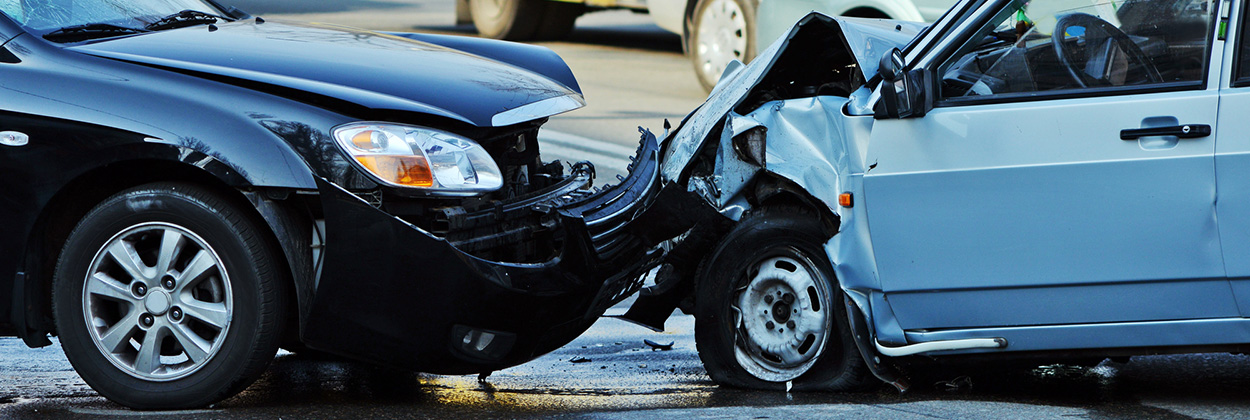
Two vehicles involved in a serious collision with visible front-end damage in Fairfax, VA.

Fairfax Diminished Value Appraisals Built for Real-World Claims

A repair estimate tells you what it costs to fix a vehicle.

It does not necessarily tell you what that vehicle is worth after the accident.

That distinction is important.

Two otherwise similar vehicles can have very different market values when one has a clean history and the other has been involved in a significant collision. Even excellent repairs do not erase the accident from the vehicle’s history or eliminate the way a future buyer, dealership, or appraiser may react to it.

Collision Consulting provides diminished value appraisals for Fairfax, VA vehicle owners who want to better understand and document that difference.

Our goal is not simply to produce a number. It is to provide a clear, professional analysis explaining how the accident may have affected the market value of your specific vehicle.

What Is Diminished Value?

Diminished value is the reduction in a vehicle’s market value resulting from its accident and repair history.

Imagine two vehicles of the same year, make, model, trim, mileage, and general condition.
One has never been involved in an accident.
The other sustained collision damage and was repaired.

Even if the repaired vehicle looks excellent, many buyers would choose the vehicle with the clean history if both were offered at the same price. To make the repaired vehicle equally attractive, its price may need to be lower.

That difference is the basis of diminished value.

A professional diminished value appraisal can help establish:

The vehicle's value before the accident

The nature and extent of the collision damage

How the accident history may affect market perception

The vehicle's estimated post-repair market value

The resulting loss in value

For Fairfax vehicle owners, documenting these factors can be an important part of understanding the full financial impact of a collision.

Your Car Can Be Repaired and Still Be Worth Less

One of the biggest misconceptions surrounding diminished value is that a properly repaired vehicle should be worth exactly what it was worth before the accident.

The marketplace does not always work that way.

A prospective buyer may discover the accident through a vehicle history report. A dealership may identify prior repairs while evaluating a trade. Paintwork, replaced panels, structural repairs, or other evidence of a previous collision can also influence how the vehicle is viewed.

The question becomes:

What would someone reasonably pay for this vehicle now compared with what they would have paid for it before the accident?

That is the question a credible diminished value appraisal attempts to answer.

Who May Have a Strong Diminished Value Claim in Fairfax?

Not every accident results in the same amount of diminished value.

Some vehicles and collision circumstances tend to create a greater market impact than others.

You may have a stronger diminished value case if:

🟦 Your vehicle had no prior accident history
🟦 Your vehicle is relatively new
🟦 Mileage is low or moderate
🟦 The vehicle was in good condition before the accident
🟦 The collision required substantial repairs
🟦 Body panels were replaced or refinished
🟦 Structural components were affected
🟦 Airbags deployed
🟦 The repair cost was significant
🟦 The vehicle has strong resale or trade-in demand
🟦 The vehicle is a luxury, performance, specialty, or higher-value model

A late-model vehicle with a clean pre-accident history may experience a significantly different market reaction than an older vehicle that already had prior damage.

That is why Collision Consulting evaluates the facts of the individual vehicle rather than relying solely on a generic calculation.

Why Diminished Value Can Matter for Fairfax Drivers

Fairfax is part of one of the busiest and most vehicle-dependent areas of Northern Virginia.

Many residents depend heavily on their vehicles for commuting, family transportation, business travel, and daily life throughout Fairfax County and the greater Washington metropolitan area.

Vehicles are also significant financial assets.

After a collision, the immediate attention naturally goes toward getting the vehicle repaired. But the longer-term financial impact can become apparent later when an owner decides to:

🟦 Trade the vehicle
🟦 Sell it privately
🟦 Purchase another vehicle
🟦 Evaluate the financial impact of the accident
🟦 Discuss the claim with an insurance company

That is often when accident history becomes more than something appearing on a repair invoice.

It becomes a market-value issue.

A Dealer Trade-In Can Reveal the Problem Quickly

Many vehicle owners first become aware of diminished value when they try to trade in a repaired vehicle.

A dealership evaluating your vehicle may consider its accident history when determining what it is willing to pay.

Even though the repairs have already been completed, that accident can still influence the offer.

The same issue can arise in a private-party sale. A potential buyer comparing your repaired vehicle against similar vehicles with clean histories may expect to pay less.

You should not necessarily have to wait until you sell or trade the vehicle to understand whether that loss exists.

A diminished value appraisal is designed to evaluate that market impact after the collision.

Our Fairfax Diminished Value Appraisal Process

We keep the process straightforward.

1. Initial Consultation

We start by learning about your vehicle and the collision.

We review basic information such as the vehicle’s year, make, model, mileage, accident history, and repair scope to determine whether pursuing a diminished value appraisal appears reasonable.

2. Document Review

Useful documentation may include:

  • Repair estimate
  • Final repair invoice
  • Photos of the accident damage
  • Photos of the repaired vehicle
  • Vehicle identification information
  • Current mileage
  • Trim level and options
  • Insurance correspondence
  • Relevant vehicle history information

Do not worry if you do not have everything organized yet. We can help identify what information is most useful.

3. Vehicle and Market Analysis

We evaluate the vehicle’s pre-loss characteristics, collision history, repairs, and the factors that may affect post-repair market value.

4. Professional Diminished Value Report

Our findings are organized into a professional report explaining the basis for the diminished value conclusion.

The objective is to create documentation that is clear enough to be reviewed and understood in an actual claim environment.

5. Next-Step Guidance

Once the report is completed, we can explain the findings and help you better understand how the appraisal may fit into the next stage of your claim.

What Determines How Much Value a Vehicle Lost?

There is no single diminished value amount that applies to every accident.

Collision Consulting considers the characteristics of the actual vehicle and loss.

Important factors may include:

Vehicle Age

Newer vehicles often have more market value to lose after an accident.

Mileage

Lower-mileage vehicles may be affected differently because buyers often expect them to have stronger resale value.

Pre-Accident Condition

A well-maintained vehicle with a clean history may have a stronger basis for demonstrating market loss.

Severity of the Collision

The extent and location of damage can influence buyer perception.

Repair Scope

Replacing, repairing, refinishing, or blending multiple panels may affect how the vehicle is evaluated after the repair.

Structural Damage

Damage involving structural or major vehicle components may create greater buyer concern.

Airbag Deployment

Airbag deployment can indicate the severity of a collision and may influence market perception.

Make, Model, and Trim

Certain vehicles maintain value better than others, while premium, luxury, performance, and enthusiast vehicles may receive particularly close scrutiny from buyers.

Prior Accident History

If the vehicle already had an accident history before the most recent loss, determining additional diminished value may be more complicated.

Current Market Conditions

The local and broader used-vehicle market can influence how much buyers are willing to pay.
Looking at these factors together provides a much more meaningful picture than applying the same formula to every vehicle.

Why a Generic Diminished Value Formula May Not Tell the Whole Story

You may encounter online diminished value calculators or insurance formulas that produce an estimate based on a few basic inputs.

Those tools can provide a general reference point, but they may not reflect the actual marketplace.

A 2025 luxury SUV with low mileage and substantial collision repairs should not necessarily be evaluated the same way as an older commuter vehicle with 150,000 miles.

The vehicles are different.

The markets are different.

The buyer expectations are different.

And the financial consequences of accident history can be different.

Collision Consulting approaches diminished value by examining the specific vehicle and the specific loss.

What Is Included in a Diminished Value Report?

A diminished value appraisal should provide more than a final dollar amount.

Depending on the individual situation, a Collision Consulting report may address:

Vehicle year, make, model, and trim

Mileage and relevant vehicle characteristics

Pre-loss vehicle condition

Accident and damage history

Repair documentation

Nature and severity of repairs

Factors affecting post-accident marketability

Market-based valuation considerations

Estimated diminished value

Explanation supporting the appraisal conclusion

Clear documentation is particularly important when another party needs to understand how the conclusion was reached.

When Diminished Value May Be Limited

We also believe in being realistic.

Not every accident produces a substantial diminished value claim.

The potential loss may be more limited when:

  • the vehicle is considerably older
  • mileage is very high
  • previous accidents already appear in the vehicle history
  • the latest damage was minor
  • repairs were limited primarily to cosmetic items
  • the vehicle had significant pre-existing damage
  • the vehicle had condition or maintenance issues before the accident

The purpose of an appraisal is not to force every vehicle into a predetermined result.

It is to evaluate whether the available facts support a meaningful market-value loss.

Diminished Value Is Different From Repair Quality

Diminished value and poor repair quality are two different issues.

A vehicle can be repaired exceptionally well and still experience diminished value

That is because diminished value is often tied to history and market perception, not simply whether the repairs look good.

Conversely, if there are concerns about whether repairs were performed correctly, a post-repair inspection may also be appropriate.

Collision Consulting can help determine which service makes sense based on your situation.

Diminished Value vs. a Total Loss Claim

These are also two different types of vehicle valuation issues.

Diminished Value

Your vehicle was repaired and remains in service, but its accident history may have reduced its market value.

Total Loss

The insurance company has determined that the vehicle is a total loss, and the dispute may center on whether the proposed settlement accurately reflects the vehicle’s pre-loss market value.
Collision Consulting assists vehicle owners with both diminished value and total loss situations.

Why Fairfax Vehicle Owners Choose Collision Consulting

A diminished value claim involves more than filling out a form or entering numbers into an online calculator.

You are attempting to document a real financial loss involving one of your most valuable personal assets.

Collision Consulting provides Fairfax vehicle owners with:

  • professional diminished value appraisals
  • individual vehicle analysis
  • clear, organized reporting
  • market-based valuation considerations
  • claim-ready documentation
  • straightforward guidance
  • experience with collision-related vehicle valuation
  • assistance with related total loss and post-repair issues

Most importantly, we evaluate each situation individually.

If the circumstances appear to support a meaningful diminished value claim, we can help document it.

If they do not, we will tell you that too.

Serving Fairfax and the Surrounding Northern Virginia Area

Collision Consulting provides diminished value appraisal services throughout Fairfax and surrounding Northern Virginia communities.

We assist vehicle owners in and around:

If you are located elsewhere in the region, visit our Northern Virginia diminished value appraisal page to learn more about our broader service area.

Fairfax, VA Diminished Value Appraisal FAQs

Can I have a diminished value claim even if my car was repaired correctly?
Potentially, yes. Diminished value is not necessarily about the quality of the repair. A properly repaired vehicle can still be viewed as less desirable in the marketplace because of its accident history.
Do I have to sell my vehicle before getting a diminished value appraisal?
No. A diminished value appraisal evaluates how the collision history may have affected the vehicle’s market value. You do not necessarily have to wait until you trade or sell the vehicle to examine that potential loss.
How soon after my accident should I look into diminished value?
It is generally useful to begin evaluating diminished value after the extent of the damage and repairs is known. Having the final repair documentation can help provide a clearer picture of the loss.
What documents should I have?
The repair estimate and final repair invoice are particularly useful. Damage photographs, vehicle information, mileage, history information, and insurance documents may also help.
Does a Carfax or other accident report automatically mean my vehicle has diminished value?
Not necessarily. Accident history is one factor. The amount of potential value loss depends on the vehicle, damage, repair history, condition, mileage, market, and other circumstances.
Are newer vehicles more likely to have diminished value?
Newer, lower-mileage vehicles with clean histories often have more value at risk, but age alone does not determine whether diminished value exists.
Can luxury vehicles have greater diminished value?
Potentially. Buyers of luxury, performance, specialty, and high-value vehicles can be especially sensitive to collision history. The actual impact still depends on the specific vehicle and repairs.
Can Collision Consulting help if my vehicle was declared a total loss instead?
Yes. Total loss valuation is different from diminished value, but Collision Consulting also assists vehicle owners who have questions about total loss valuations and settlement offers.
Do you serve areas outside Fairfax?
Yes. Collision Consulting provides diminished value appraisal services throughout Northern Virginia and the broader Mid-Atlantic region.

Find Out What Your Vehicle May Have Lost After an Accident

The repair bill is only one part of the financial impact of a collision.

If your vehicle has been repaired after an accident in Fairfax, it may still be worth less because of its collision history.

Collision Consulting can help you determine whether diminished value may exist and document that loss with a professional appraisal built around the facts of your vehicle.

Contact Collision Consulting Today

Protect Your Rights. Protect Your Investment

Email: info@CollisionConsulting.com
Phone: 410-355-5500